The open-source RISC-V Instruction Set Architecture (ISA), which evolved from the Reduced Instruction Set Computer (RISC) architecture, is gaining international support and collaboration. However, Google has decided to discontinue its involvement with RISC-V. A recent series of merged patches have removed support for the “riscv64” processor architecture from the Android Common Kernel (ACK) codebase.
The ACK serves as the main branch of the Android Open Source Project (AOSP), providing guidance for all third-party and Google’s own Android implementations on mobile and wearable devices. The removal of RISC-V support from the ACK and AOSP effectively means that Mountain View is “choking off” native ISA implementation in its primary computing platform.
Many chip manufacturers and processor designers have recently invested in the future of RISC-V. In October 2023, Google officially introduced RISC-V support in the Android system. Qualcomm has been developing RISC-V chips for Wear OS, a version of Android designed specifically for smartwatches and other wearable gadgets.
According to Chinese manufacturer Yingren Technology, in the field of solid-state drive controllers, this open standard even provides some competitive advantages over the Arm architecture, with significantly better results. The cancellation of RISC-V support by ACK/AOSP means that upcoming Android systems will not be able to utilize RISC-V chips, but manufacturers can customize mobile operating systems to re-add support for the ISA.
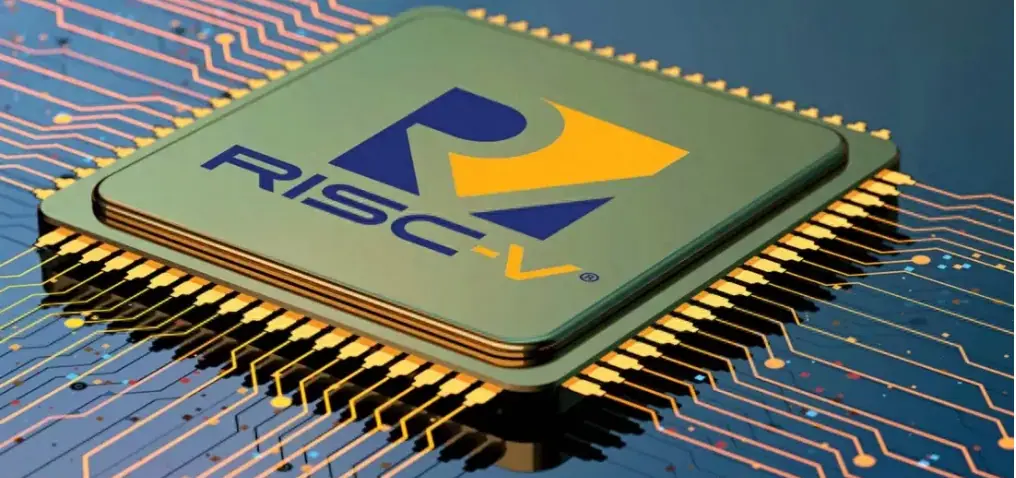
Given the interest of many companies in using RISC-V, Google’s decision to halt further development of the technology within AOSP is puzzling. The RISC-V ISA has not yet been implemented in appropriate SoC projects for smartphone applications, and the newly merged ACK patches are likely to be a significant obstacle in this regard.
When asked to comment on the issue, a Google representative told Android Authority that the mobile operating system will continue to support RISC-V in the future. Due to the “rapid iteration” of ISA technology, Android seems to not be ready to provide a single supported kernel image for all Android vendors.
Google assures the market that it will not completely stifle Android’s support for RISC-V, but introducing this architecture into AOSP means that the time required for the final commercial development of this promising chip standard will far exceed expectations. Meanwhile, the RISC-V community is developing startup and runtime service specifications to establish an interoperable operating system platform for device discovery, system management, and other basic system operations.
Source: Google
Related:
- Mini Supercomputer: 256 RISC-V Cores at 14.7GHz Power
- Network Outage on Google Pixel Phones Now Fixed
- Android 16 Cloud Build: Faster Software Installation

Disclaimer: This article is created by the original author. The content of the article represents their personal opinions. Our reposting is for sharing and discussion purposes only and does not imply our endorsement or agreement. If you have any objections, please contact us through the provided channels.